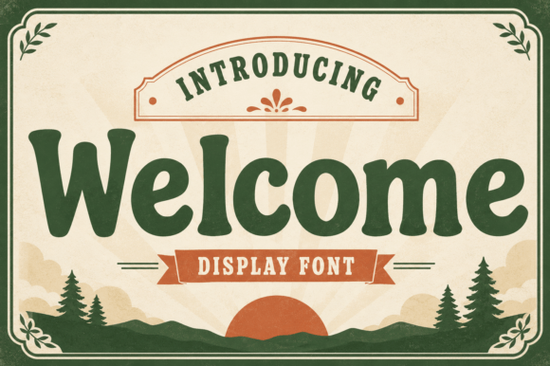
If you're looking for a display font that feels both nostalgic and fresh, the Welcome Font might be exactly what your next project needs. With its bold slab serif structure softened by rounded edges and subtle retro details, it strikes a balance between friendliness and authority ideal for everything from café menus to children’s book covers.
What makes Welcome stand out is how effortlessly it blends vintage charm with modern readability. Unlike overly ornate scripts or stiff geometric fonts, this typeface invites attention without shouting. Its generous x-height and open letterforms ensure clarity even at smaller sizes, while the slight quirks in curves and terminals add personality that generic slab serifs often lack.
When should you use the Welcome Font?
Welcome works best when you want warmth with presence. Think of signage for a neighborhood bakery, packaging for artisanal goods, or headlines in a lifestyle blog with a handmade aesthetic. It’s not a neutral workhorse font but that’s the point. You’re choosing it because you want character.
For print-on-demand sellers, it’s especially useful for creating designs that feel personal yet polished. T-shirts with friendly slogans, mugs with cozy quotes, or nursery wall art all benefit from its approachable confidence. And because it includes uppercase and lowercase letters plus punctuation, you can build full compositions without switching fonts.
How does it compare to other display fonts?
If you’ve browsed Creative Fabrica’s collection, you might already know fonts like Retro Kids, which leans more playful and exaggerated great for cartoons or toy branding. Welcome shares that retro spirit but with more restraint, making it suitable for slightly more mature audiences while still feeling cheerful.
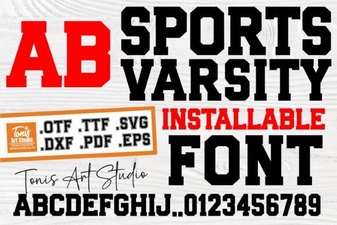
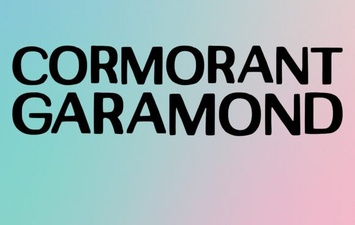
On the bolder end, something like Sports Varsity brings athletic energy, whereas Welcome offers hospitality. If you need texture and grit, Chunky Texture delivers roughness; Welcome stays smooth and inviting. And for classic elegance, Cormorant Garamond offers refined serifs but lacks the casual warmth that makes Welcome feel like a hug in typeform.
Even compared to College Black, which has strong academic or institutional vibes, Welcome feels neighborly. It’s the kind of font that says “come on in” rather than “stand at attention.”
Practical tips for using Welcome effectively
Because it’s a display font, stick to short phrases: headlines, logos, labels, or featured quotes. Avoid body text it wasn’t designed for long reading.
- Pair it wisely: Combine with a clean sans-serif (like Montserrat or Lato) for contrast. The simplicity of the secondary font lets Welcome shine without visual competition.
- Mind your spacing: Slightly increased letter-spacing can enhance legibility, especially in all-caps settings.
- Use color thoughtfully: Earthy tones (olive green, terracotta, cream) amplify its vintage mood, but don’t shy away from soft pastels for kid-friendly projects.
- Avoid over-decoration: Since the font already has personality, skip heavy shadows or outlines unless your design specifically calls for a retro poster effect.
Designers and small business owners often overlook how much tone a single font choice sets. Welcome doesn’t just spell out words it communicates mood. That’s why it’s worth testing in context before finalizing. Try it on a mockup of your product label or social graphic to see if it truly matches your brand voice.
Who is this font really for?
If you create:
- Café or boutique branding
- Children’s apparel or room decor
- Handmade product packaging
- Event invitations with a nostalgic twist
- Social media graphics for lifestyle or wellness brands
…then Welcome could become a go-to in your toolkit. Crafters using Cricut or Silhouette machines will appreciate its clear outlines and lack of overly thin strokes, which cut cleanly on vinyl or paper.
Remember: great typography isn’t about using the most fonts it’s about choosing the right one for the message. Welcome earns its name by making viewers feel seen and invited, not just informed.
Before you download, ask yourself:
- Is my project short-form (headline, logo, label)?
- Do I want warmth over minimalism?
- Does my audience respond to vintage or handmade aesthetics?
- Can I pair it with a neutral supporting font?
If you answered “yes” to most of these, the Welcome Font is likely a smart, expressive choice that balances charm and clarity without trying too hard.
Get Started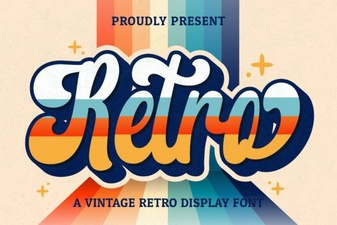 Retro Script Fonts: Elevate Your Vintage Design Projects
 Design a Winning Logo with Sports Varsity Font
 Cormorant Garamond: Elevating Typography for Creatives
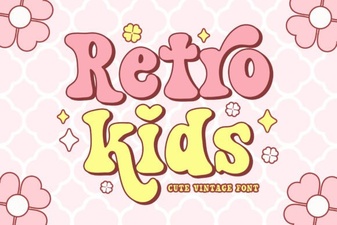 Design Retro Fonts for Kid-Friendly Projects
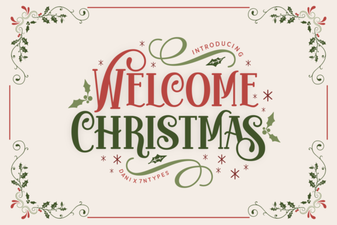 Christmas Fonts for Welcoming Holiday Designs
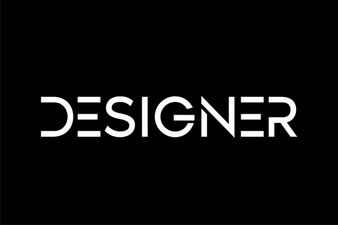 Font Inspiration: Design Ideas & Creative Uses